My Story…An Adventure…
(You can totally skip this part if you aren’t into hearing the back story, but I do have some big hints and tips that I learned in my first adventure into maple syrup 🙂 ) Click here to skip my story!
How I roll
I have to begin this post by saying I’m the type of person who gets approximately 75% of the information needed for a grand plan and then I go all in, and my husband has to strap in for a wild ride. This is true with my food blog, fitness activities, you name it. But our favorite example of me doing this is maple syrup. Being from the Northwoods of Wisconsin, we know a number of people who tap trees every spring and cook down their own maple syrup. My new found obsession with foraging and all things homesteading meant I became interested over the last few years.
Gathering
Last March, I was doing some shopping at the local (ish) Fleet Farm and saw the tree tapping supplies. I had done MINIMAL research, but I quickly texted two different friends who tap and got some quick info. Yes, it was late in the season. But I had made my mind up and picked up the materials to tap four (yes, just four) trees. I figured it would be an adventure for my family and worst case scenario, we were out a few hours of work and about $35.
I brought it home, read a little more about gathering maple syrup online, and we began the quick process of hanging the sap bags. Little did I realize just how much sap we would get! After just 48 hours, we had multiple gallons of sap and no real place to store it (again, 75% of the information is all I ever have and then I fake it till I make it).
Cooking
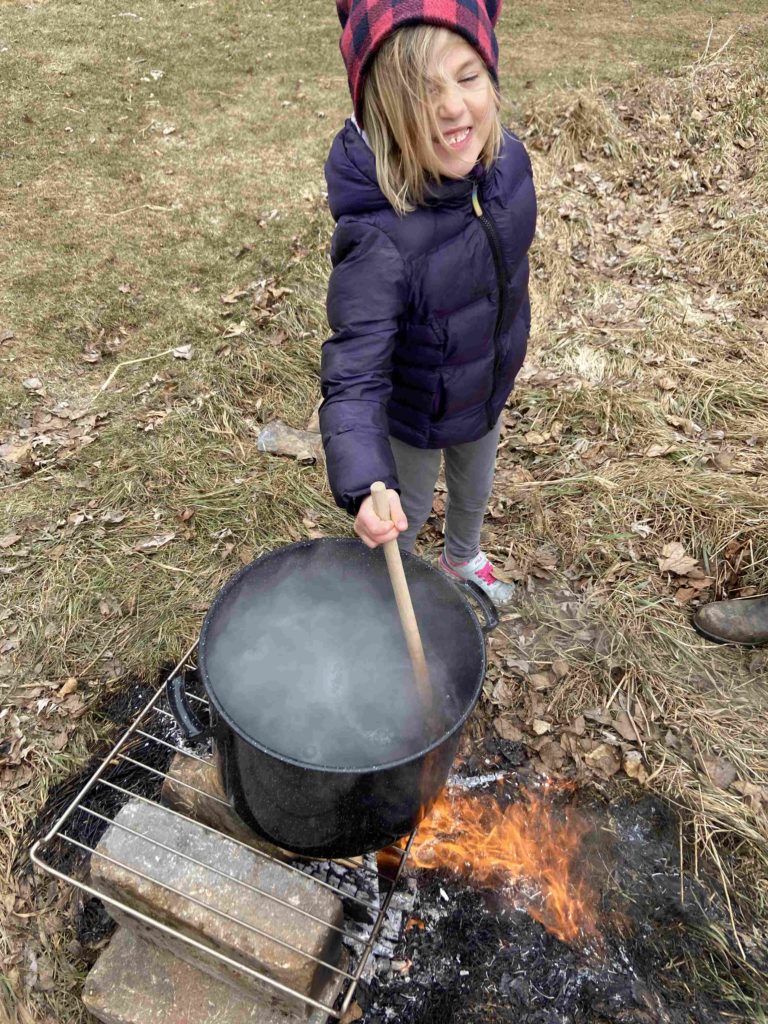
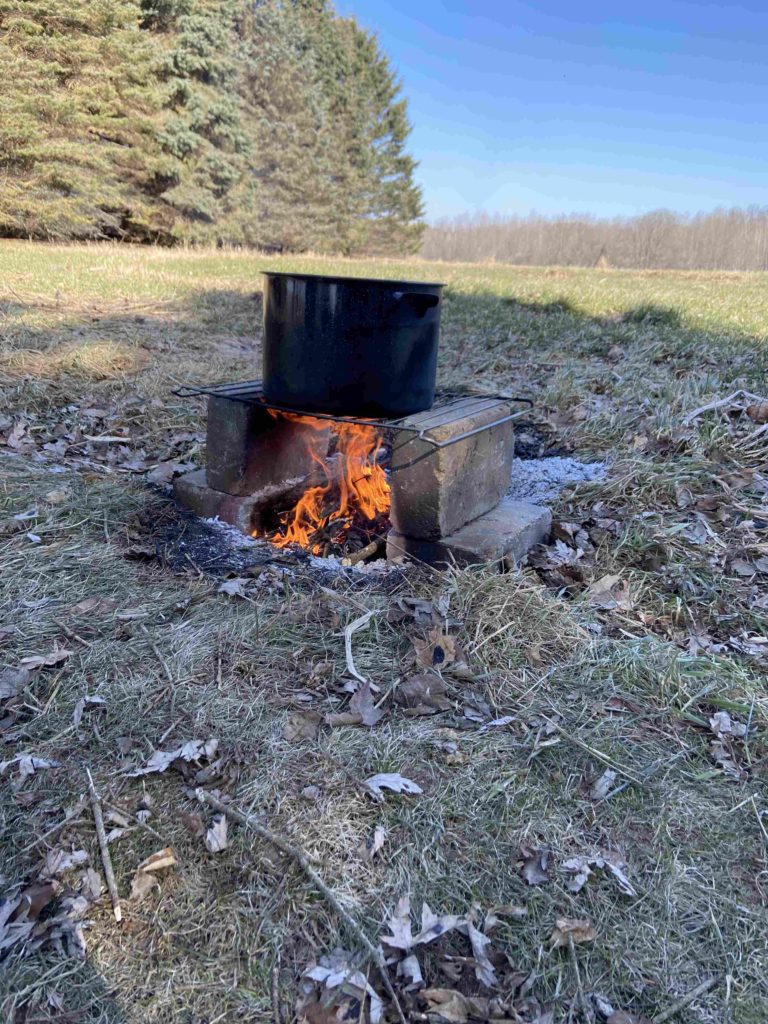
So begins the process of cooking maple sap down, in the middle of the week, after my husband and I had both worked a full day. We got home, ate dinner, and put together a fire outside, setting some 2 inch metal fencing from our garden on top of a few cinder blocks for the old kettles we had to sit on top. The sap got poured into the kettles and we boiled away, keeping the fire stoked.
Because we were using an old canning kettle (something taller than it was wide, so less surface area for the heat to reach), it took longer to boil down than either of us anticipated (75% of the information…maybe more like 50% 🙂 ), and we were so tired. The first time we cooked, we went to bed at 10:30-11 pm, but set an alarm for every 30 minutes so we could stoke the fire. I can’t help but laugh now as I remember that. I think I blocked that from my memory!
By 1 am, the sap had cooked down to about 1-1 1/2 quarts of maple syrup and we were able to bring it inside to finish it on the stove. From here, we boiled away until we had a hard boil, checking the temperature every few minutes. You have maple syrup once the temperature reaches 7 degrees above the boiling point of water (which varies based on your elevation). We hit that point, filtered it through cheese cloth twice, tasted the delicious syrup we had just made and worked SO hard to finish, and immediately collapsed back in our bed.
A sane person may quit after that experience 🙂 It wasn’t hard by any means, but it sure took a lot out of us. However, I got more excited (so did our kids), and although he would never admit it, my husband loved it. He got to spend hours around a fire with a beverage of his choice, watching the sap boil. It’s calming and healing, believe me. We learned crazy amounts after that first experience.
A few hints Before you start
- Start the fire AS SOON AS YOU GET HOME.
- Try to use wider pans to cook in to increase the surface area.
- It’s best if you cook on the weekends so you can cook in the daylight.
- Don’t chop your wood too close to the fire or hitting the kettle and losing all your sap may occur. Super sad!
- You don’t need to fill the kettle to the top with sap to begin. Get a boil going and slowly add the rest of your sap.
- Anyone can do this! It is rewarding and fun to learn.
Now It’s your Turn!
This year, we tapped just two trees with four taps at my in-laws after our spring break trip fell apart. We figured we would be around and my husband’s family had never experienced it before. It wasn’t the plan, so we began by picking up a kit (simply because then we knew we had everything we needed. You will need:
- Taps (four is plenty for your first go!)
- Sap collecting bags (one bag per tap)
- Hangers for the bags
- A drill and drill bit to match the size of the tap as well as a hammer
- Large cooking vessels that you are okay getting covered in carbon as they sit over the fire (think, the soup kettle you never liked anyway)
- Lots of dry wood, cut smaller
- Cinder blocks and some form of metal to set the cooking vessel on (wire, an old grill grate, metal posts, etc)
- Cheese cloth to filter syrup when your finished cooking it down
- Cooking thermometer, preferably digital
Tapping happens in the spring, when the nights are still below freezing but the days are warmer. The sap should run clear out of the tree. If it is cloudy, it is time to be done collecting. One trick sappers use is to watch for the tree leaves to bud out. Once the leaves bud out you know that sapping season has come to a close. You can tap any maple tree, but sugar maple are going to be the highest sugar content. You will want to have the bags facing the south to keep them warmest during the day. I am going to write these directions assuming you have the same quantity sap we did with about 4 taps. I want the directions short and sweet so feel free to read around the Internet for more information!
1. Drill a hole into the tree at about chest height, initially going straight in but angling up just slightly to encourage sap flow. The depth of your hole should be about 2 – 2 1/2 inches. (How many taps can a tree hold? Check the diameter: 10-20 inches = 1 tap, 20-25 inches = 2 taps, over 25 inches = 3 taps)
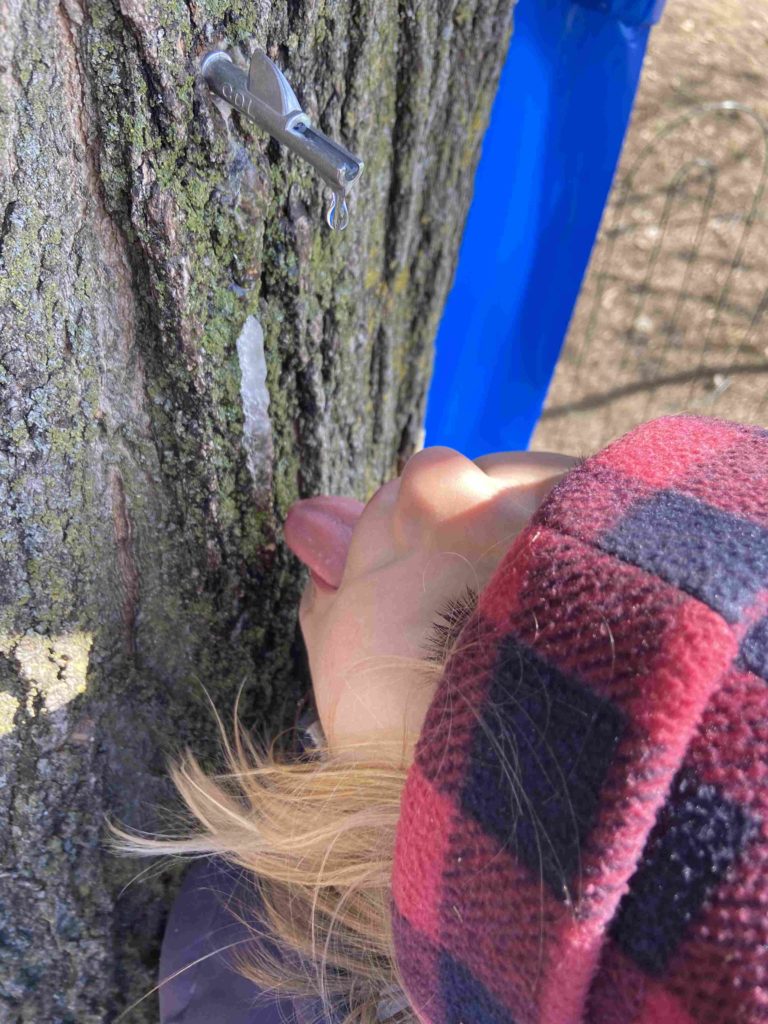
2. Insert the tap into the tree and gently use a hammer to get it inserted the rest of the way. Depending on the temperature outside, the tree may begin dripping sap immediately (if it is warmer). It dripped immediately at my in-laws, but took a while to drip at our own home. Don’t fret.
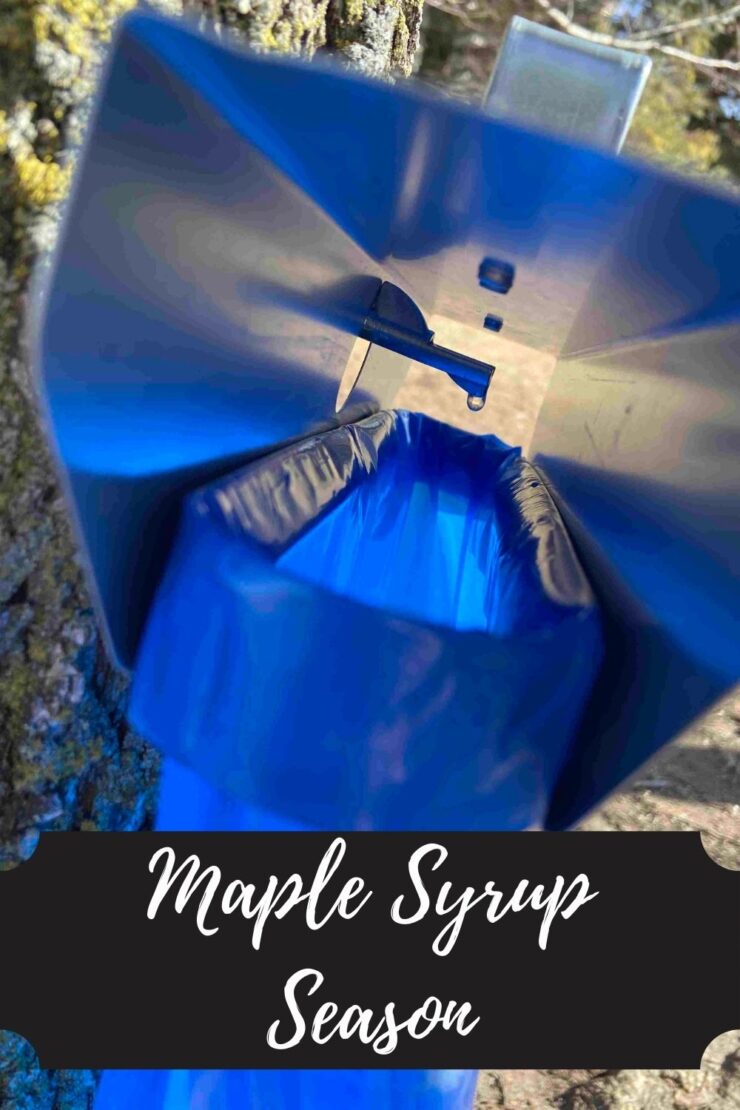
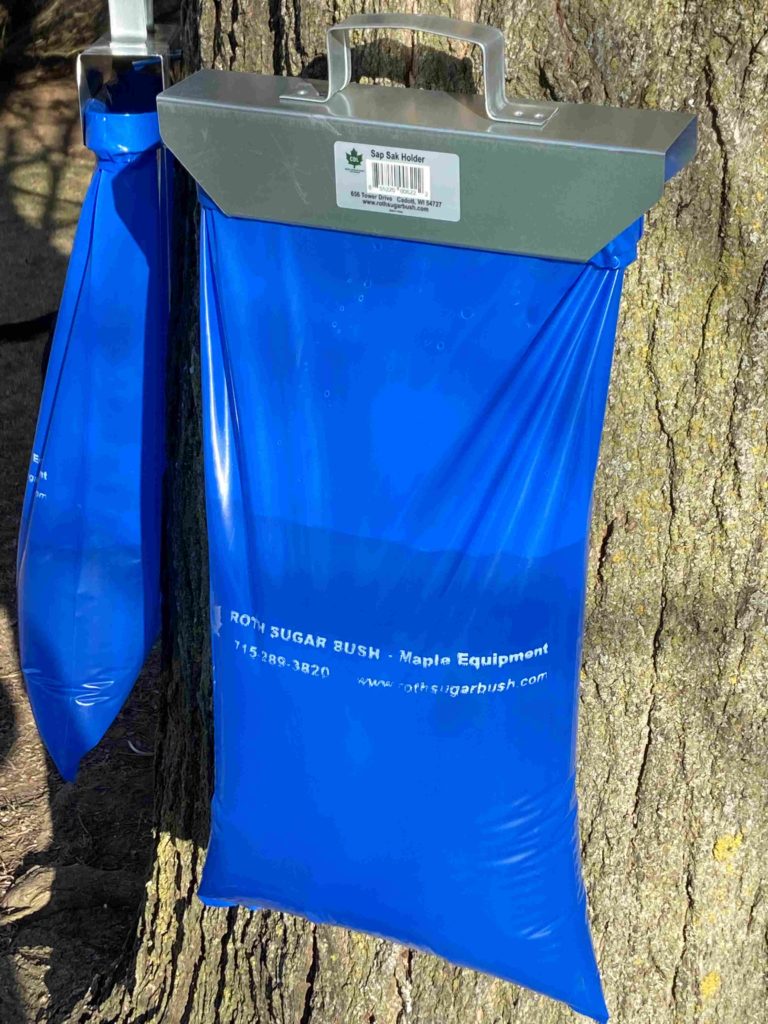
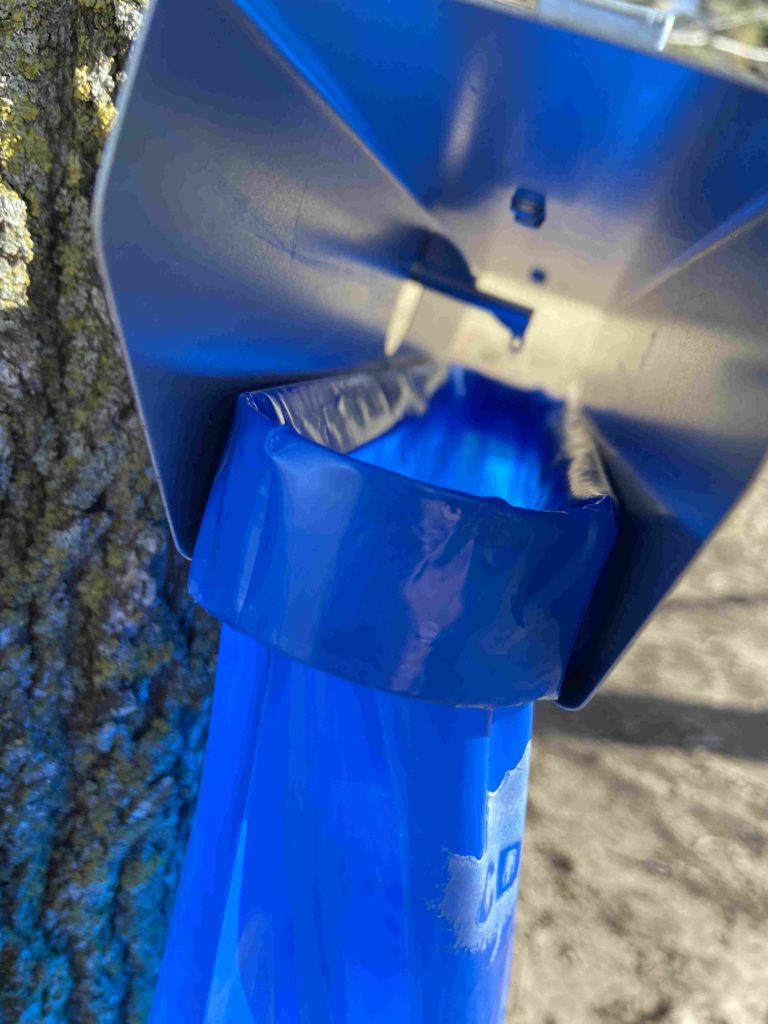
3. Wrap your bags around the metal ring and insert back into the hanger. Hang bags on the tap, making sure that the spout is dripping inside the bag.
4. Walk around and check on them because you’re just so happy you tapped your first trees.
5. As your bags fill, know that you can truly cook at any time, but be mindful of the size of your cooking vessel. The ratio of sap to syrup is approximately 40:1, that is for every 40 gallons (cups, whatever) of sap you collect, you will get 1 gallon (cup, whatever) of syrup. Whenever you are ready, pour the sap into a kettle and place the bags back on the hangers to continue to collect.
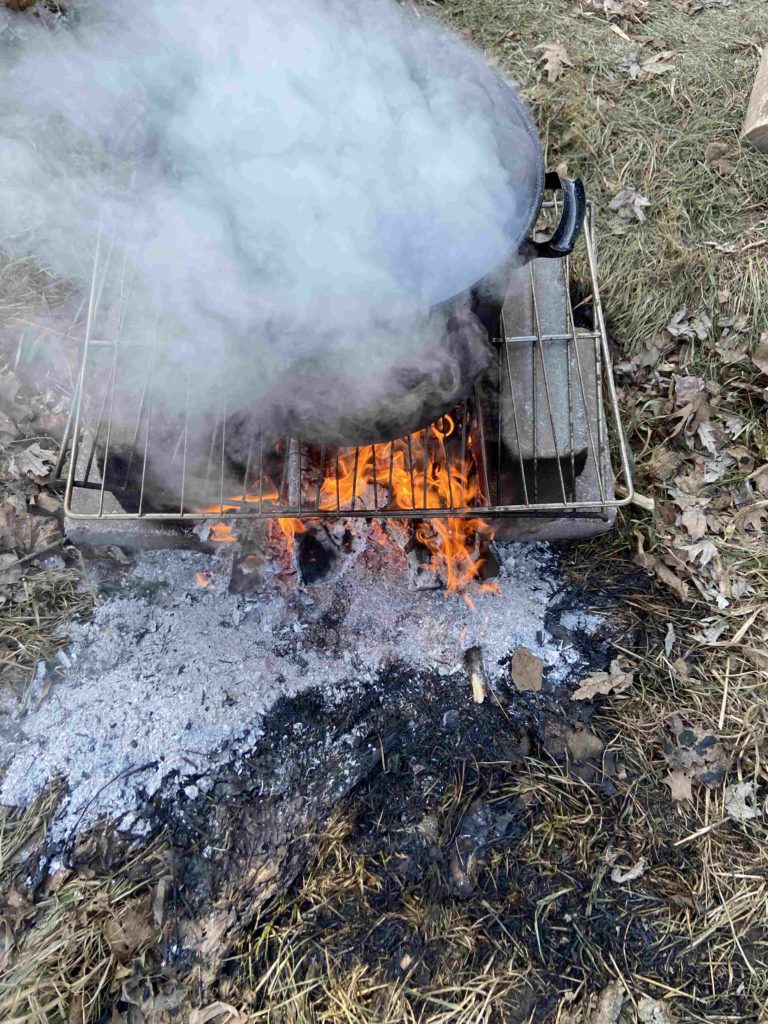
6. We like to build a fire, but protect it with cinder blocks on each side. The first year, we use blocks that had holes in them. This year, we bought solid blocks from Fleet Farm, and they held up to the heat much better. Place the metal grate, wire, etc. on top of the blocks and put the kettle on top.
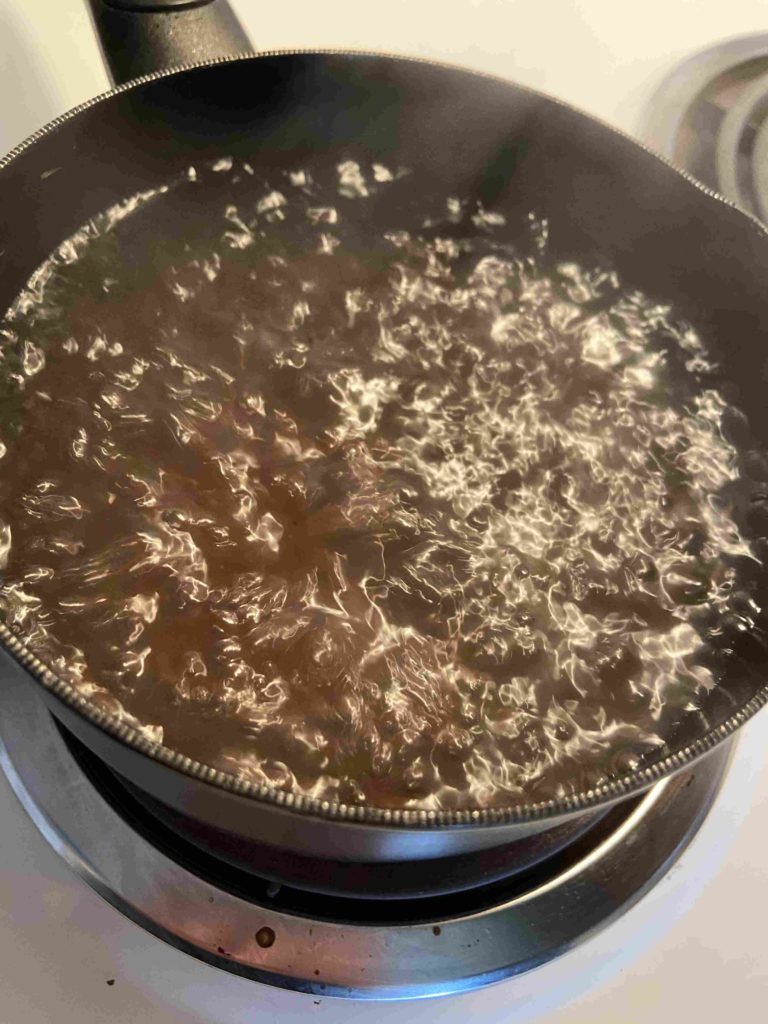
7. Boil. And boil some more. Keep the fire hot. Sit around with a beverage of your choice (coffee til cocktails, anyone?) and reconnect with nature and your friends. Boil until you’ve reached the point that you have approximately 1-2 quarts left of your sap. That is, once it has begun to turn that glorious syrup color and you have a kettle small enough to finish it off on the stove.
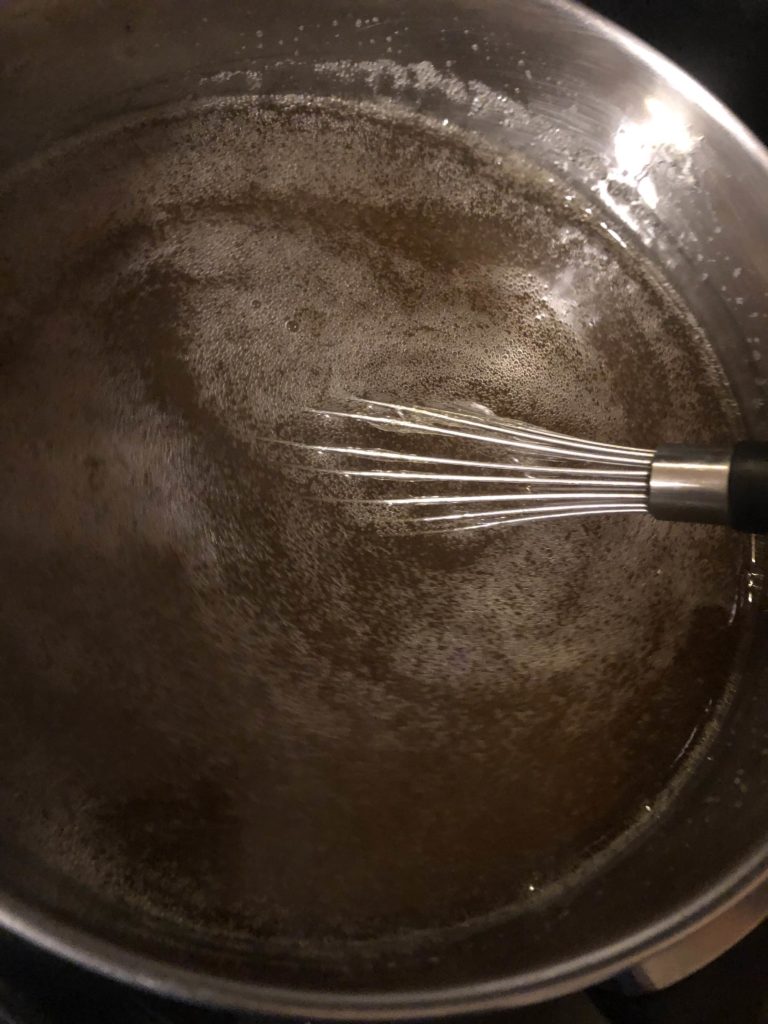
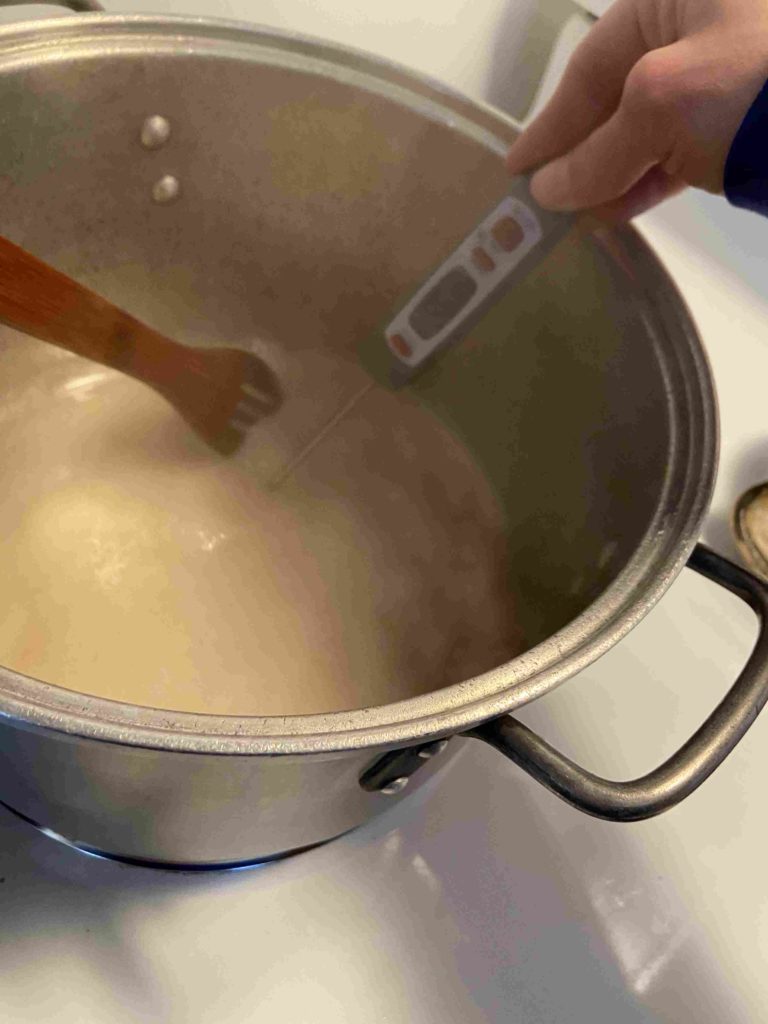
8. CAREFULLY pour your “almost syrup” into the smaller kettle, and bring to a boil on your stove. I told my husband the boil changes when it’s getting closer and he agreed, but I don’t quite know how to describe it. You will notice it too though, I am certain. Stir the “almost syrup” often, and check the temperature every few minutes. It will take longer than you think it should.
9. You have syrup once the temperature reaches 7 degrees above the boiling point of water at your elevation. If you are under 1000 ft above sea level, that will be 219 degrees, but you may want to do an Internet search on the boiling point for your own town. (There are other ways to check for syrup beyond temperature…fancy: hydrometer that measures sugar content, not fancy: spoon test and seeing how it falls off a metal spoon. I recommend just using a digital thermometer)
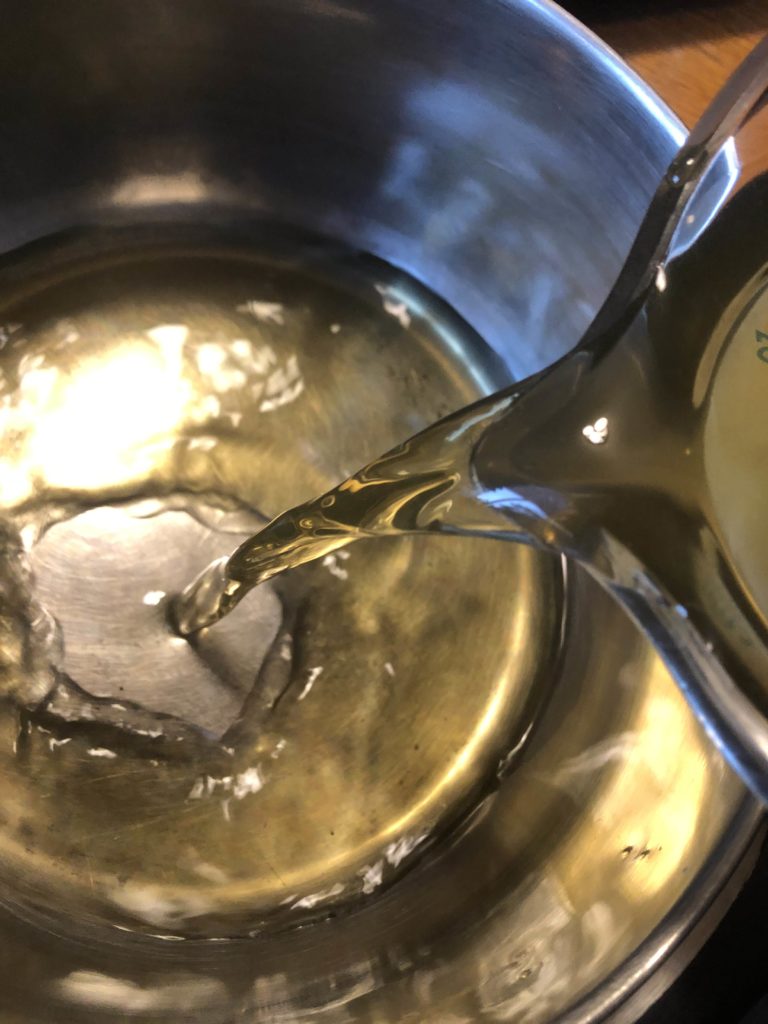
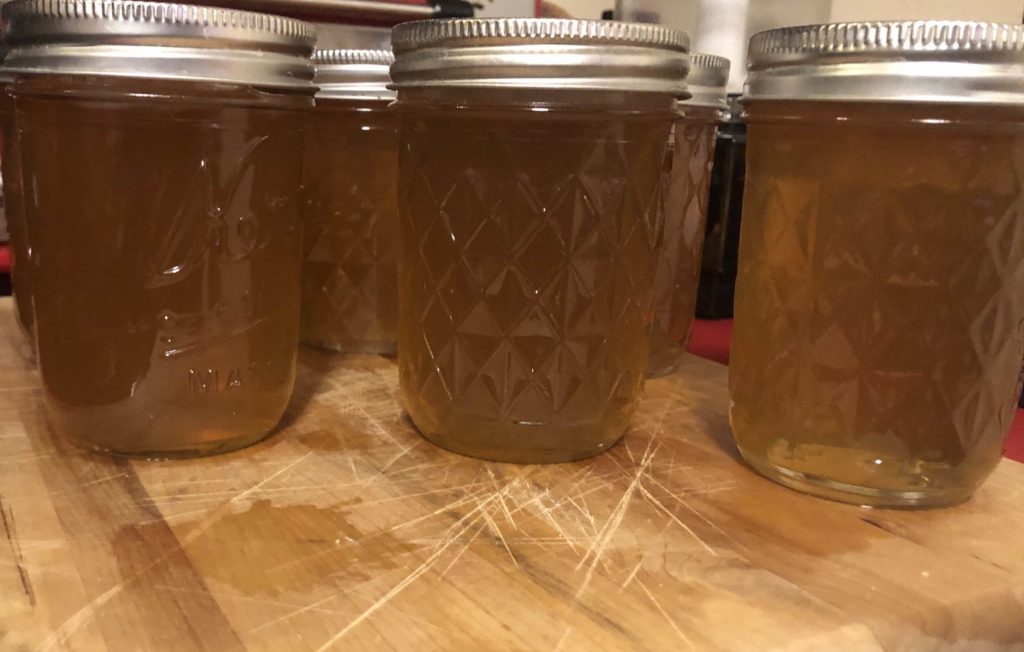
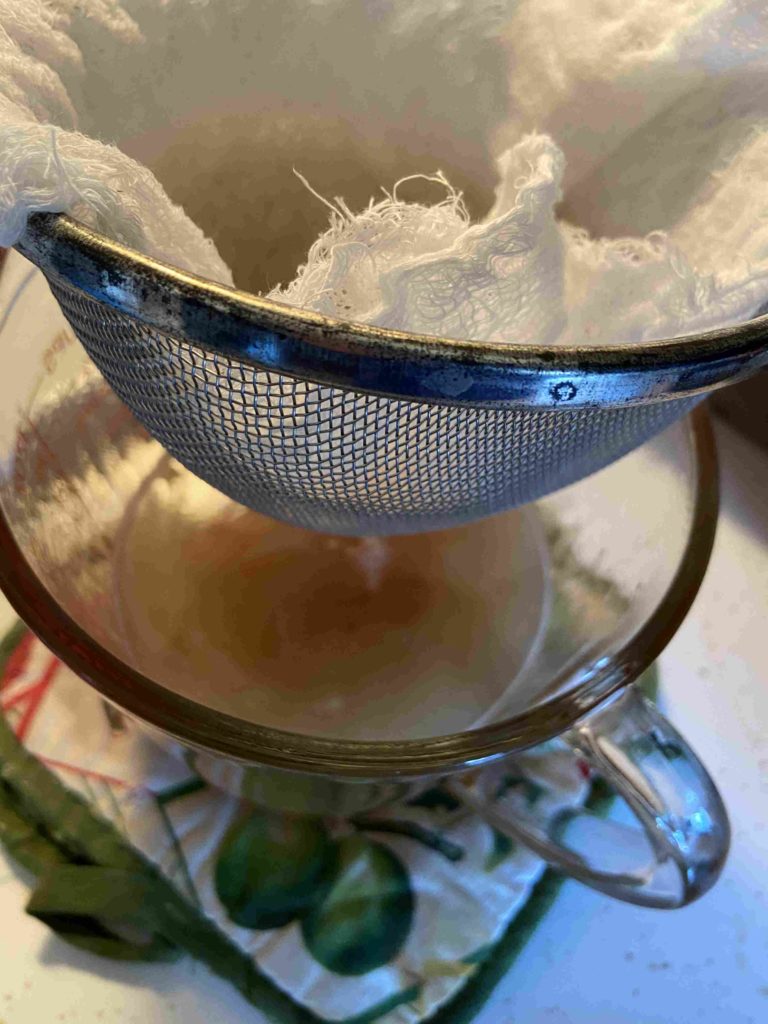
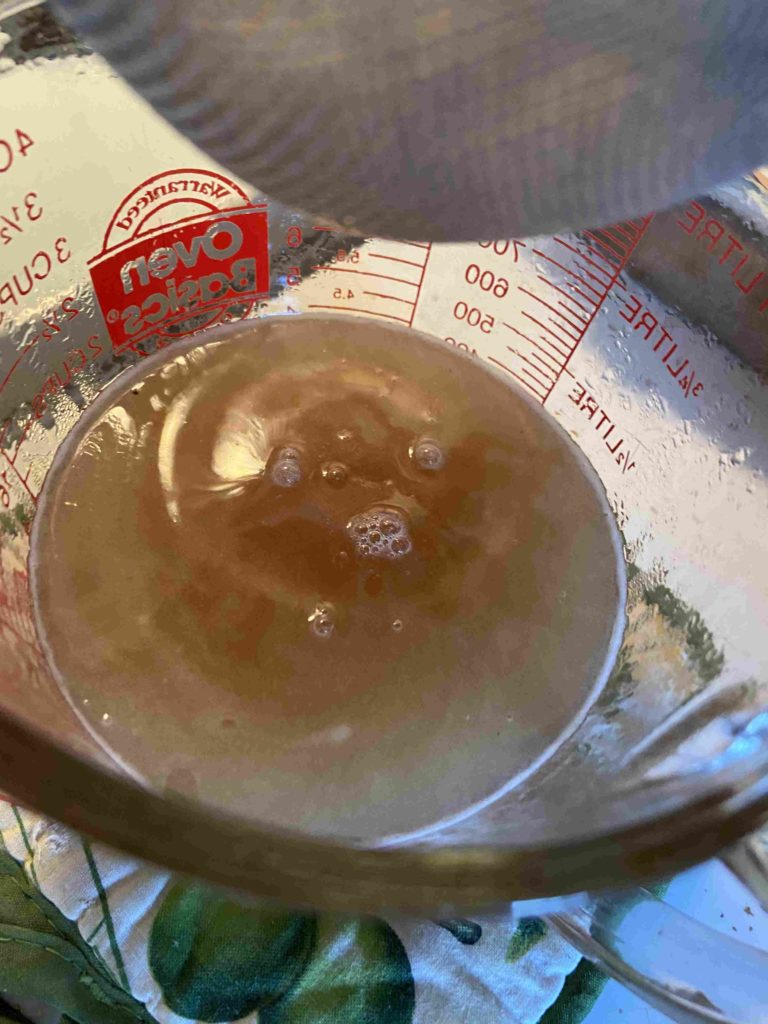
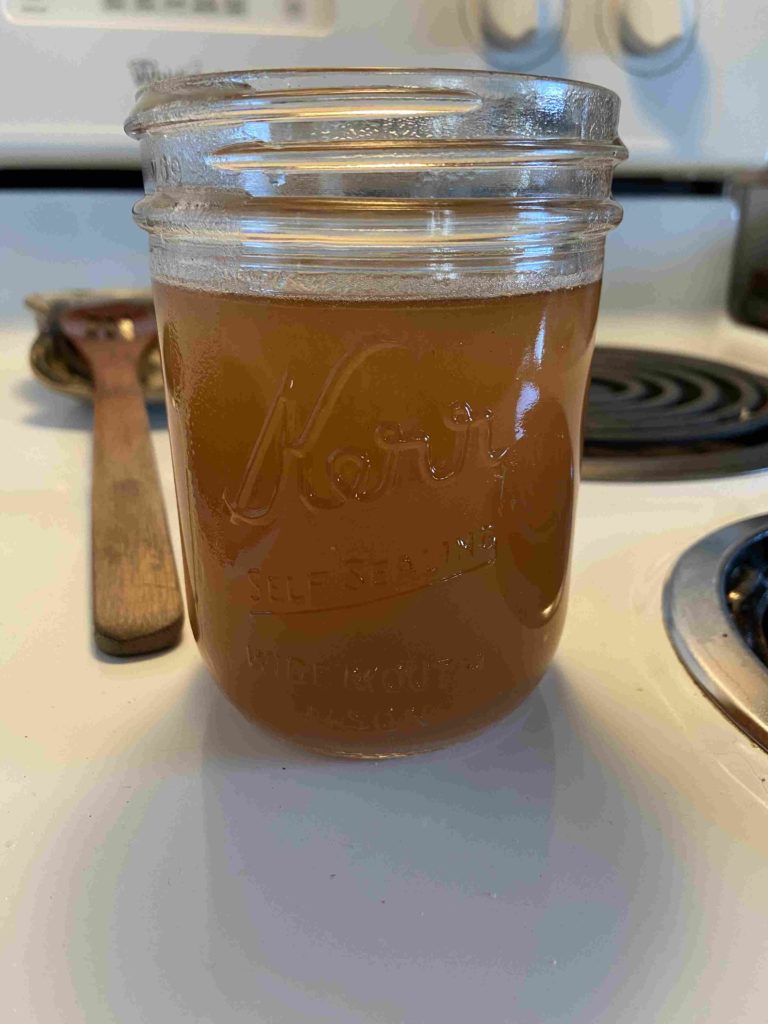
10. Once you reach the right temperature, you will want to filter the syrup through cheese cloth. We like to put the cheese cloth over a small mesh colander and pour it into a larger measuring cup (see picture). Then we filter it once more from the measuring cup into a mason jar (or whatever you want to store your syrup in). Allow to cool, and then store in your refrigerator.
That’s it! In just 10 steps, you have made your very own maple syrup. It’s great with all of your breakfast goodies like waffles (I have a great recipe here!), as a refined sugar replacement (check out the energy balls here!), or even as your sweetener in your coffee. I hope you enjoyed it as much as we do and start a family tradition like we have 💗

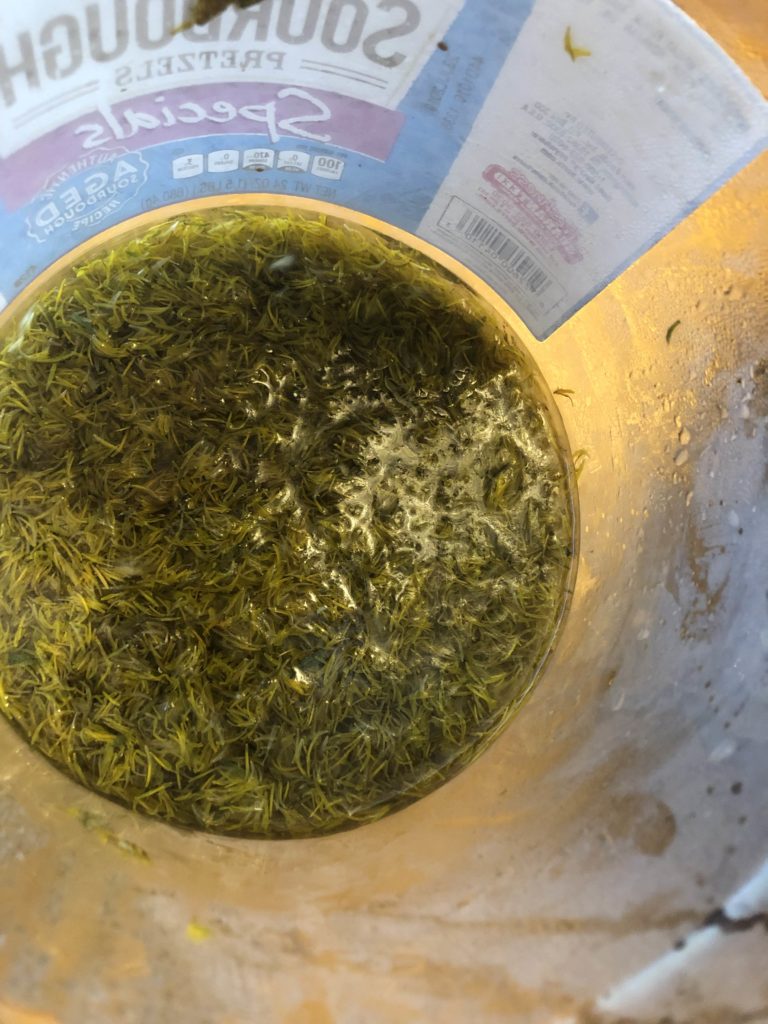
Bags getting full in the sunshine. I feel fancy with this photo! See the drip from the the tap! Our set up, if only it was in the sun. Boiling away! Finishing off on the stove. About 1-2 quarts which will turn to a pint or so. Still boiling, watching the temperature every few minutes. It’s done! Time to filter. One more filtering to go. Sweet goodness. Amazing how clear liquid boils down to this golden liquid.
Looking to find more treats that the Earth has to offer? Check out some of the links below: